Advertorial
Oil Prices Just Surged Past $95/Barrel — An Automotive Engineer Reveals the Tiny Device That's Helping Thousands of Drivers Get More Miles From Every Gallon

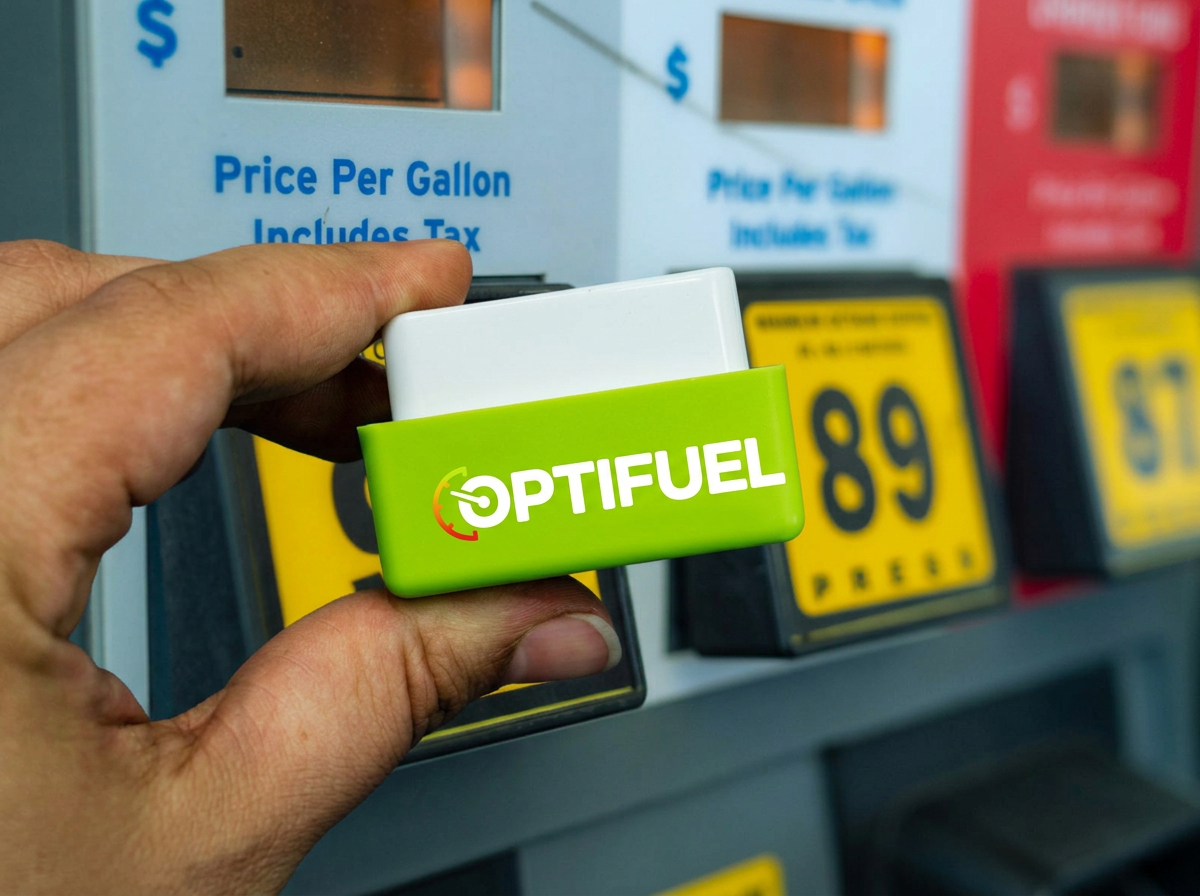
APRIL 2026 UPDATE: "With crude oil climbing past $95 a barrel and gas stations adjusting prices almost overnight, I can no longer stay quiet. After 15 years as an automotive engineer, I'm going public with the one device I've been recommending privately to friends and family. The average driver is now burning through $2,800+ a year on gas — and a surprising amount of that is being wasted due to a problem your mechanic will never tell you about."
Let me be blunt: what's happening at the pump right now is not going to get better anytime soon.
OPEC production cuts. Geopolitical instability. Refinery bottlenecks. Every analyst is saying the same thing — gas prices are climbing, and they're not coming back down this spring.
The average American household is now spending over $200 per month on gasoline. For families with two cars or long commutes, that number is closer to $350-$400.
And here's the part that keeps me up at night: most of that money doesn't even move your car forward.
It's burned. Wasted. Gone — because of a fundamental inefficiency that exists in virtually every vehicle on the road today.
The Dirty Secret Your Car Manufacturer Doesn't Want You to Know
Here's something I discovered after years of engine testing that shocked even me:
Your car's fuel system isn't burning fuel as efficiently as it could.
It's not your fault. It's not bad driving. It's a design limitation. Modern vehicles use standardized fuel injection systems that cannot adapt to real-time driving conditions, fuel quality variations, or altitude changes.
The result? Incomplete combustion. Your engine literally burns money and pushes unburned fuel out the exhaust pipe.
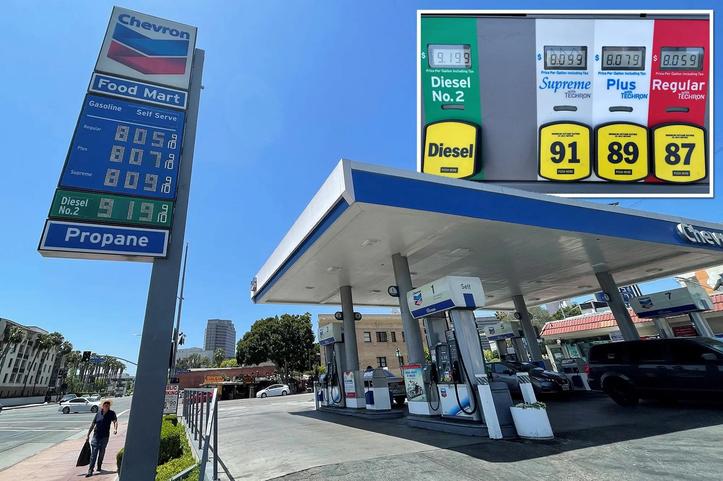
At $4.30+ per gallon, every drop of wasted fuel hits your wallet harder than ever.
Add it up over a full year of driving, and the amount of fuel your car wastes is staggering — gone.
When gas was $2.50 a gallon, most people could ignore this. But right now? With prices climbing every week?
You can't afford to waste a single drop.
Why I Decided to Go Public Now
I've known about this problem — and the fix — for years. But honestly, I kept it in my professional circle. I recommended it to colleagues, family, close friends.
Then last week, my sister called me in tears. She's a nurse. Single mom. Drives 45 minutes each way to the hospital. Her monthly gas bill just crossed $380.
She asked me: "Is there ANYTHING I can do? I can't afford a new car. I can't move closer. I'm drowning."
That phone call broke something in me. Because I had the answer sitting in my own car's OBD-II port. And I'd been too cautious to share it widely.
Not anymore.
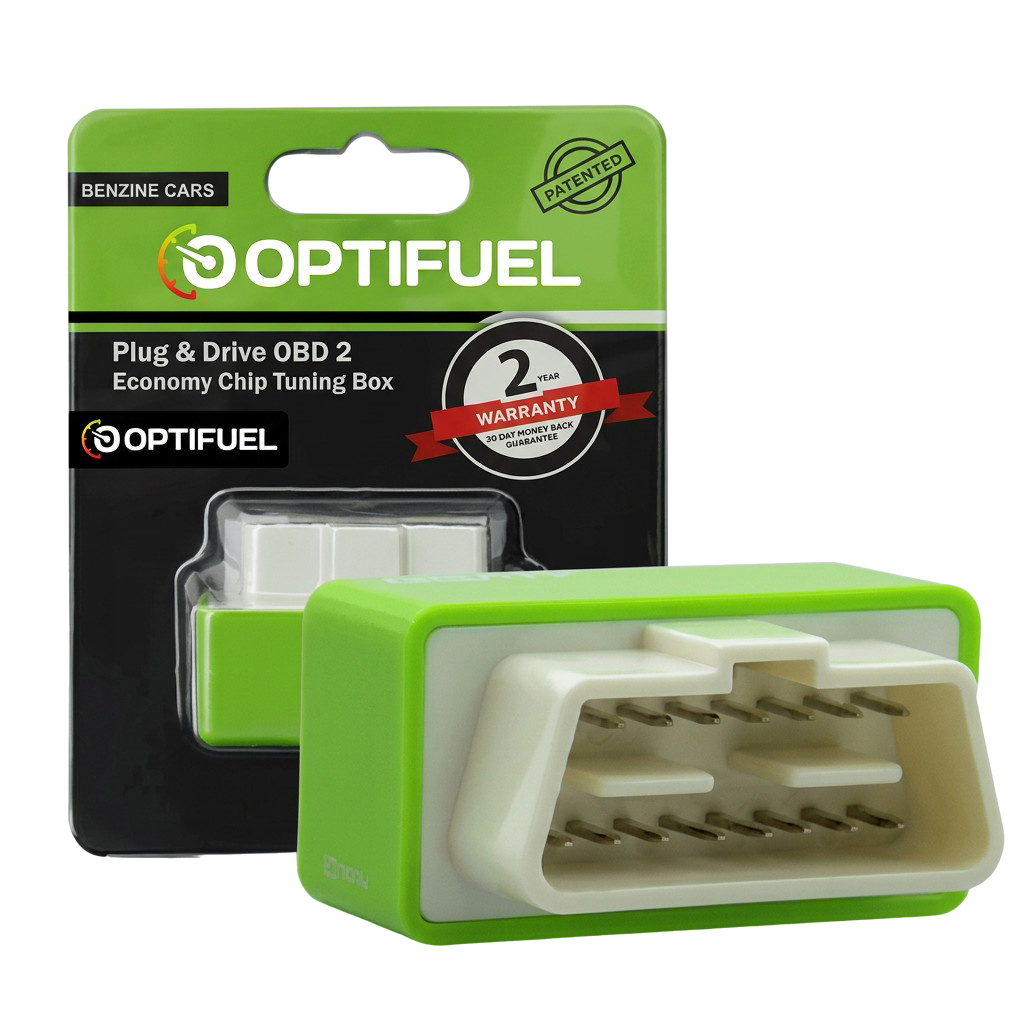
Introducing OptiFuel — The 30-Second Installation That Could Help You Spend Less at Every Fill-Up
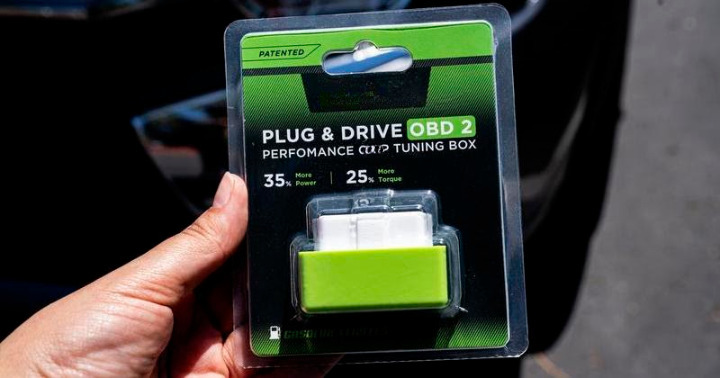
The device is called OptiFuel, and what it does is deceptively simple.
You plug it into your car's OBD-II port (every car made after 1996 has one — it's usually under the dashboard). That's it. No tools. No mechanic. No modifications. 30 seconds.
Here's what happens next:
-
Within the first 5-10 miles, OptiFuel's microprocessor reads your vehicle's specific data — engine type, fuel injection timing, driving patterns, even altitude
-
It then recalibrates your fuel injection in real-time, ensuring every drop of fuel is burned more completely
-
The result: noticeably improved fuel efficiency — without any change in how you drive, any loss of power, or any risk to your engine
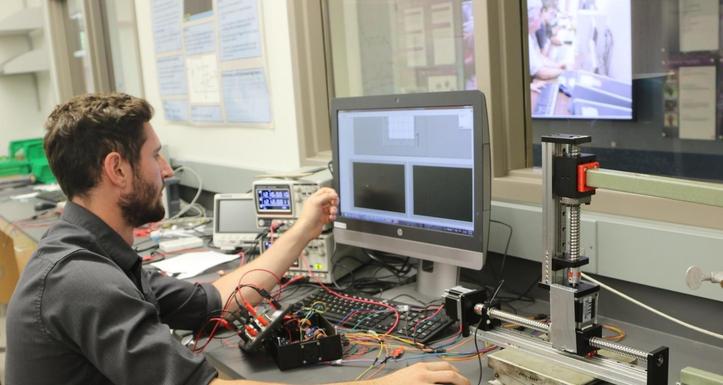
I remember the
first time I tested OptiFuel in a controlled environment. I ran the same vehicle, same
route, same conditions — once without it, once with it.
The difference in fuel consumed was immediately noticeable.
I ran the test three more times because I didn't believe it. Consistent results every
time. That's when I knew this wasn't a gimmick — it was engineering.
Here's What $95/Barrel Oil Means for YOUR Wallet — And Why You Need to Act This Week
Let me put the current crisis in perspective:
-
In January 2026, oil was ~$72/barrel. Regular gas averaged $3.29/gallon.
-
As of this week, oil is above $95/barrel. Gas has jumped to $4.30+ nationally — over $5.50 in parts of California.
-
Analysts at Goldman Sachs and JPMorgan are projecting $100-$110/barrel by summer — which could push gas past $5.00 nationally.
Every week you wait costs you money. Real money.
When your car burns fuel more efficiently, you fill up less often. Over the next 12 months — especially with summer prices coming — that adds up to real money back in your pocket.
The device costs less than a single tank of gas. It can pay for itself quickly.
CLAIM YOUR DISCOUNT NOWWhat 47,000+ Drivers Already Know (That You Don't... Yet)
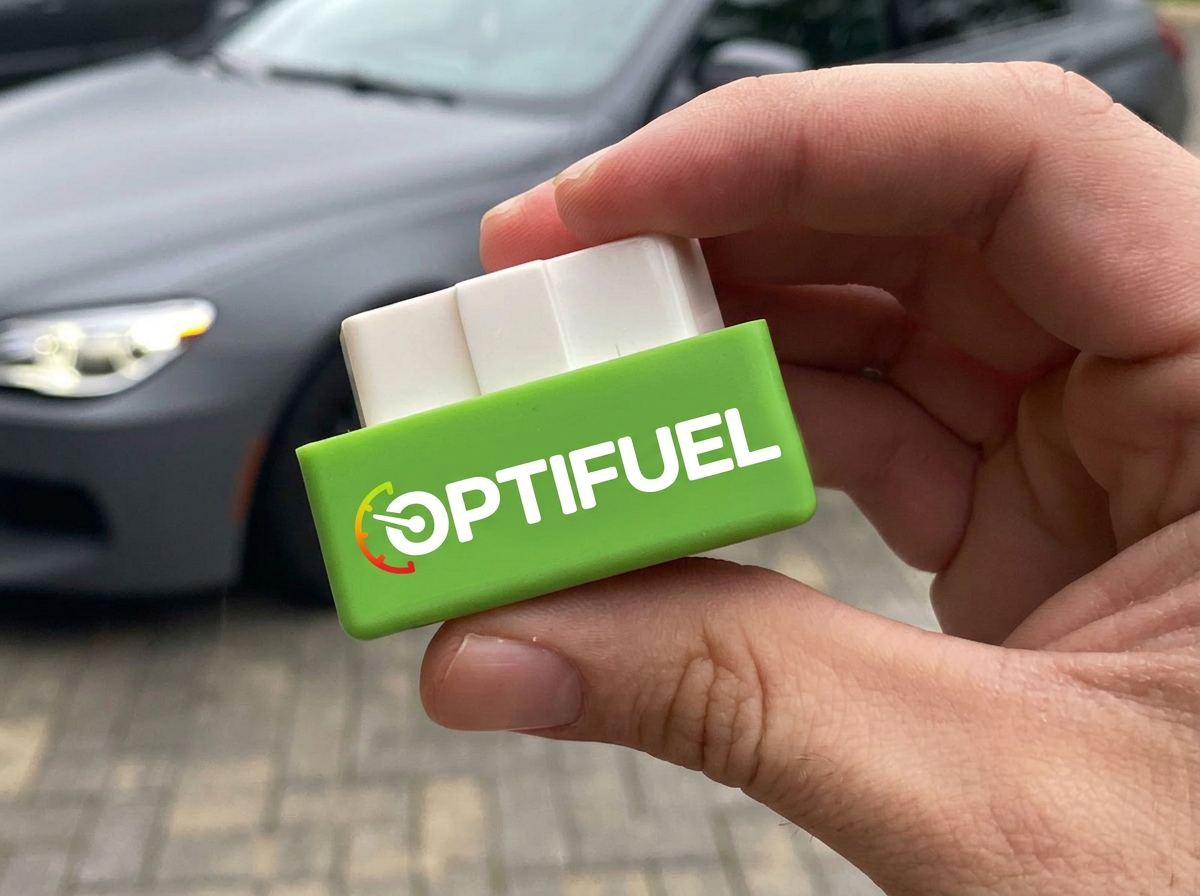
Since I started sharing OptiFuel publicly three months ago, the response has been overwhelming. Over 47,000 devices shipped. And the reviews keep pouring in.
But here's what really gets me: not a single person has said "it didn't work." The improvement varies depending on the vehicle — but drivers consistently report going further on every tank.
Compact cars. Sedans. SUVs. Trucks. Diesel. It works across the board.
My sister? The nurse I mentioned? She installed it three weeks ago. She's noticed a real difference in how often she fills up. That's money she desperately needed — and it took her 30 seconds to install.
Real People. Real Results. Real Anger That They Didn't Find This Sooner.

David T., VERIFIED BUYER
"I drive a Ford F-150 for work and was getting killed at the pump.
Installed OptiFuel on a Monday. By the following Monday, I could
already tell the difference. Tracked it for a full month and I'm noticeably going further
on every tank. I'm genuinely angry nobody told me about this
sooner."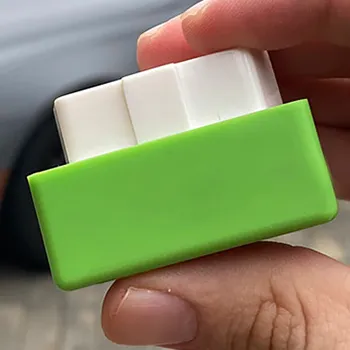

Sarah L., VERIFIED BUYER
"Single mom. 68-mile round trip commute. Every dollar matters. After
installing OptiFuel, my Honda Civic is stretching each tank noticeably further. That's
money I now have for groceries instead of Shell. The installation was
literally plug-and-go. If I can do it, anyone can."

Michaela R., VERIFIED BUYER
"My husband thought I was crazy ordering something off the internet
for our Suburban. Then the first gas bill came in — noticeably lower. He
didn't say a word. Just asked me to order a second one for his truck. With gas prices
the way they are right now, this is the smartest $49 I've ever spent."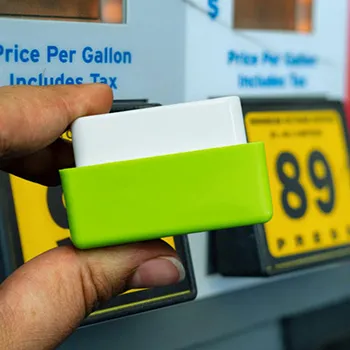
WARNING: Why You Should NOT Wait Until Summer to Get This
I need to be honest about two things:
1. Gas prices are going higher. Every credible forecast says summer 2026 will be brutal at the pump. The time to prepare is NOW — not when you're already paying $5.00+ per gallon.
2. OptiFuel is running low on inventory. The manufacturer told me they've been overwhelmed by demand since oil prices started climbing. The current batch — at the current introductory price — is selling out fast. Once it's gone, the price goes back up and there's a 3-4 week wait for restocking.
I'm not saying this to pressure you. I'm saying this because I watched my own sister struggle for months before I helped her. Don't be the person who reads this, hesitates, and then kicks themselves in June when gas hits $5.00.

Still not sure? OptiFuel comes with a 30-day money-back guarantee. If you don't notice improved efficiency — which has literally never happened — send it back. You risk nothing. But you could see a real difference in how far every tank takes you.
Here's what to do right now: Click the button below. Get OptiFuel at the current introductory price before this batch sells out. Plug it in tonight. Start driving more efficiently by tomorrow.
Every day you wait = money you'll never get back.
 GET OPTIFUEL — WHILE STOCK LASTS
Sell-out risk: VERY HIGH — April 2026 batch almost gone
GET OPTIFUEL — WHILE STOCK LASTS
Sell-out risk: VERY HIGH — April 2026 batch almost gone
Customer Reviews
Gas just crossed $4.10 where I live in Texas. I was spending a fortune on my work commute. After installing OptiFuel, I'm filling up noticeably less often. The improvement was obvious within the first week — fuel I was literally burning for nothing. It took me 30 seconds to install. I'm buying two more for my kids' cars before summer hits.
James W.
Dallas, TX
I own a landscaping business. Five trucks. Fuel was our #1 expense. We put OptiFuel in all five trucks. The difference in how often we're filling up is significant. These devices paid for themselves fast. With oil prices going where they're going, this is the best business decision I've made all year.
Robert K.
Phoenix, AZ
Oil at $95/barrel.
Drive more efficiently starting tonight.
April batch almost sold out
CHECK AVAILABILITY